











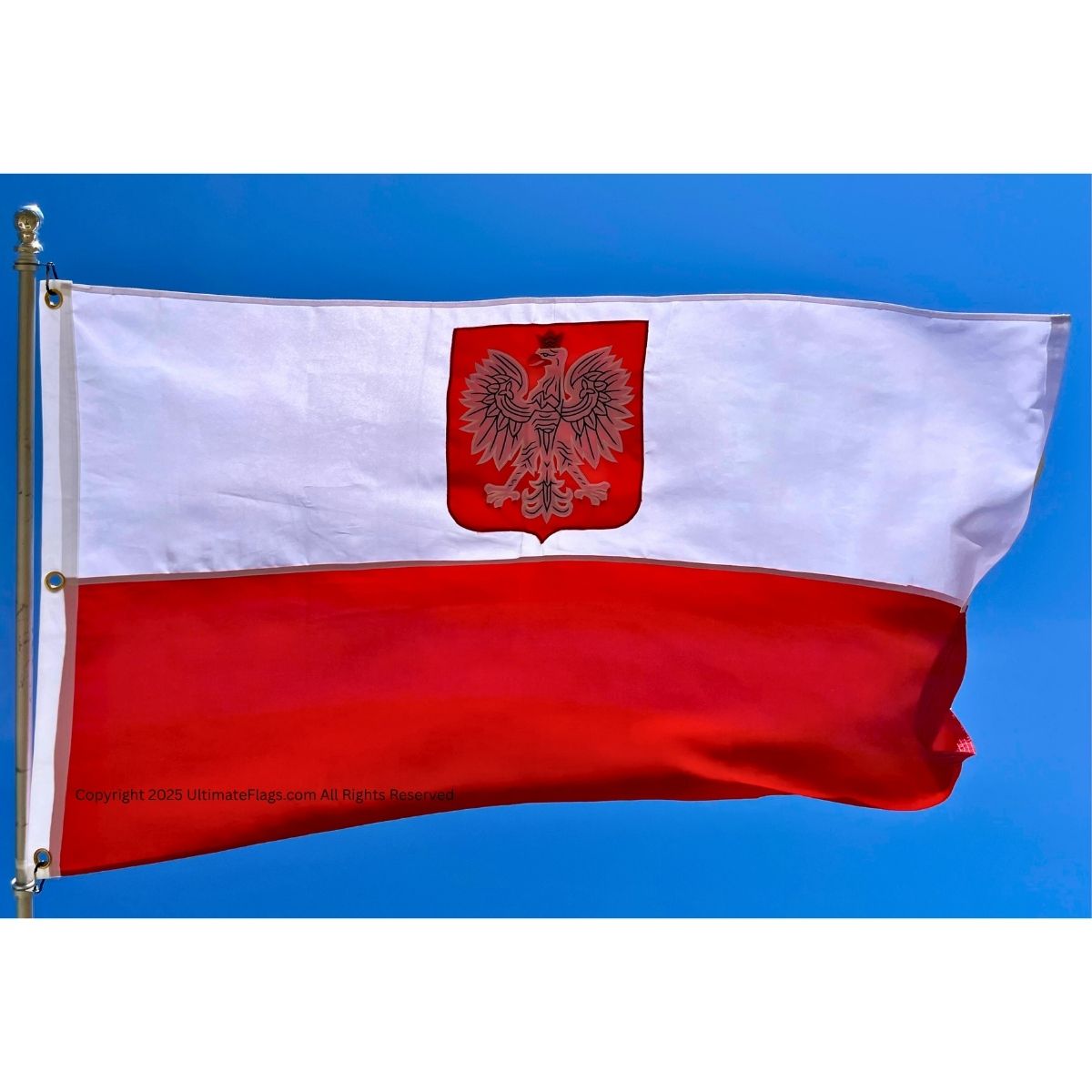

Old Poland Flag – Polish State Banner with White Eagle | Double Nylon Embroidered 3×5 Ft
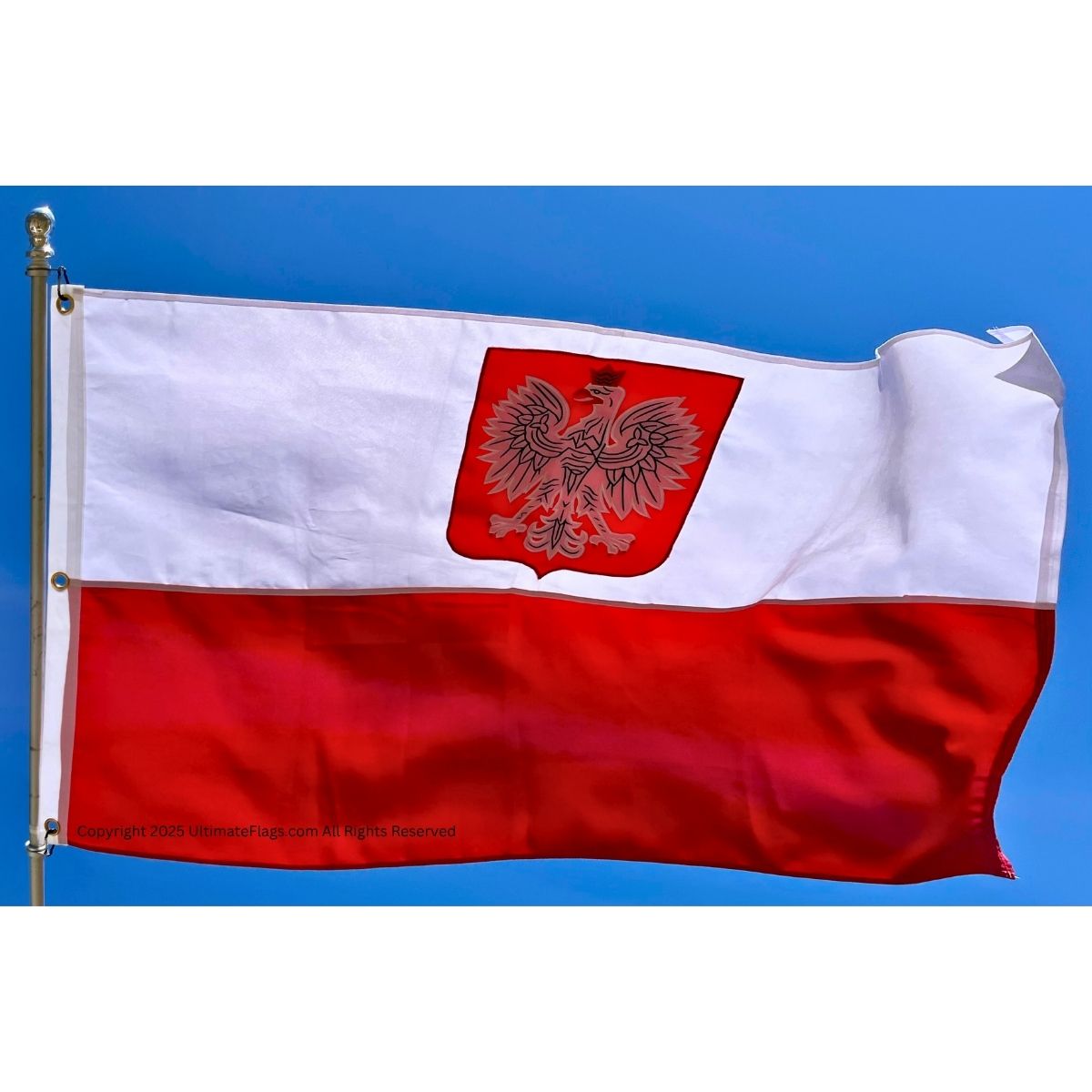
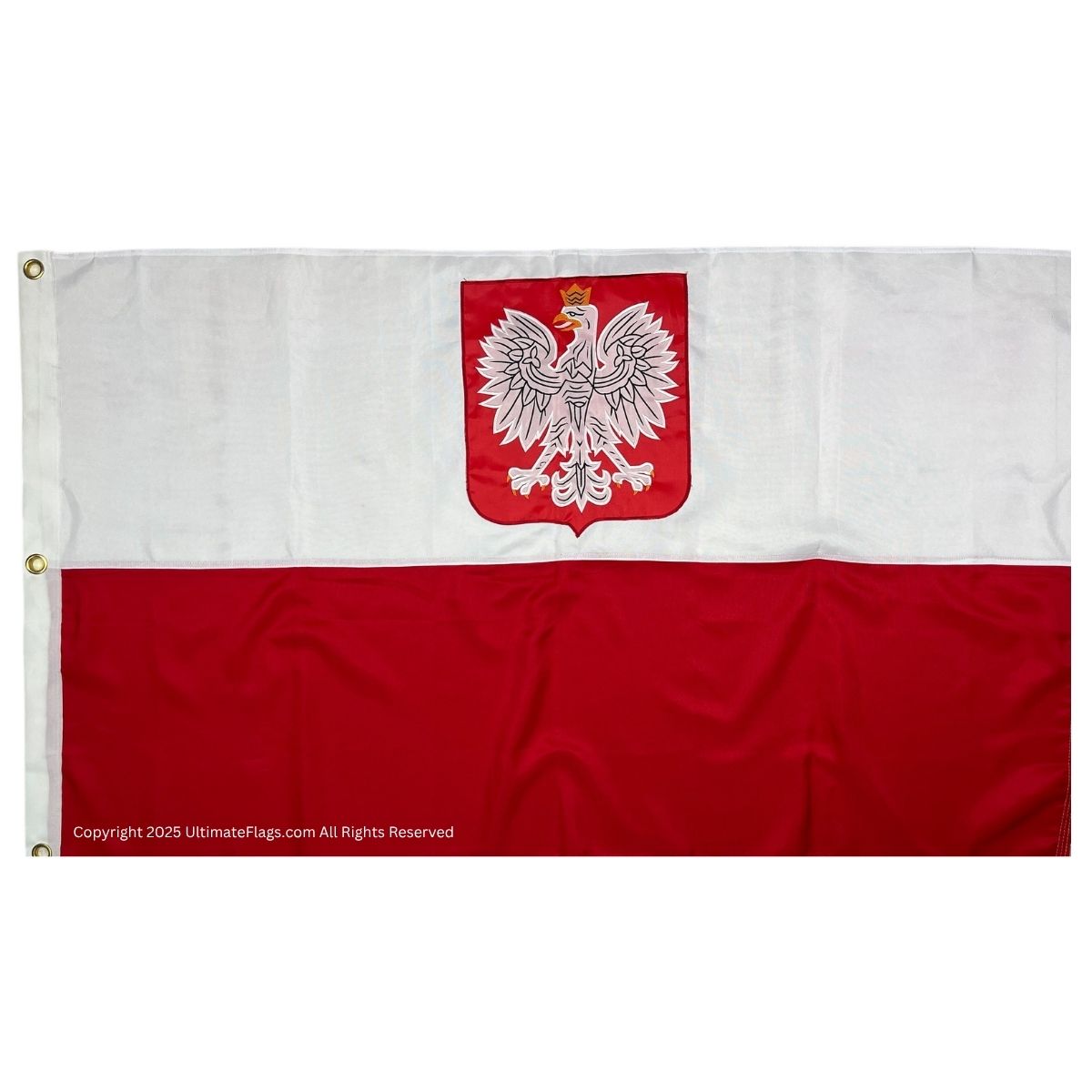
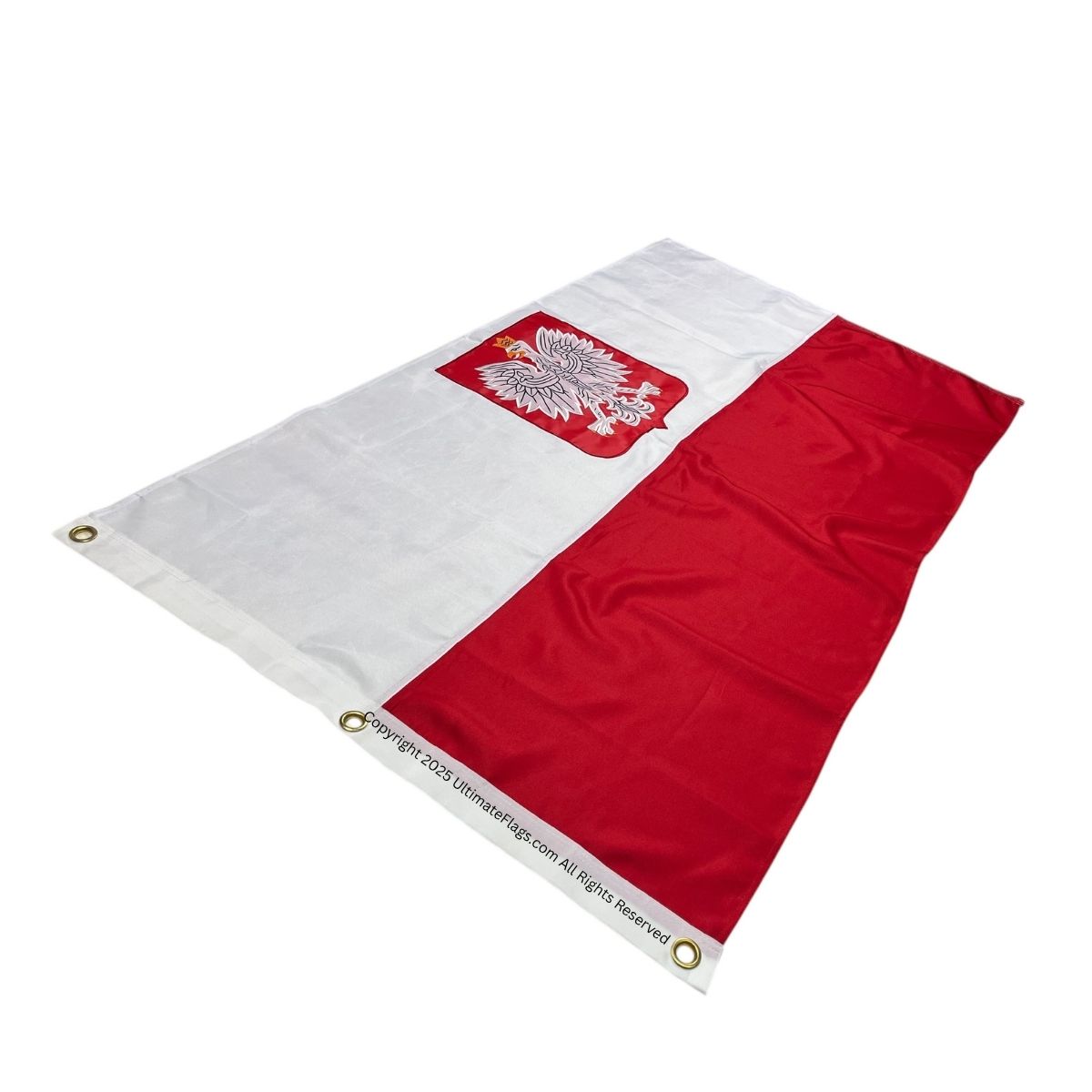
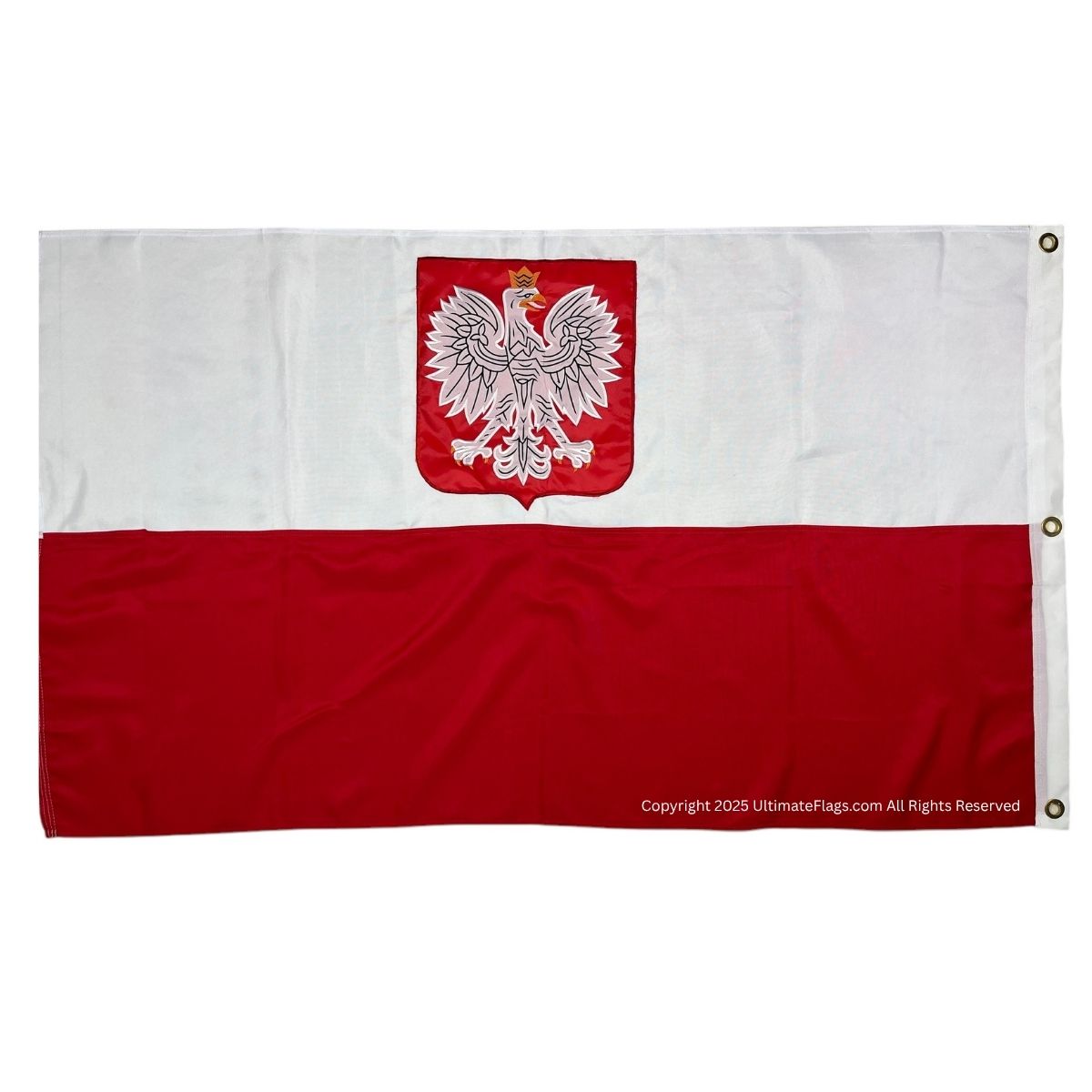
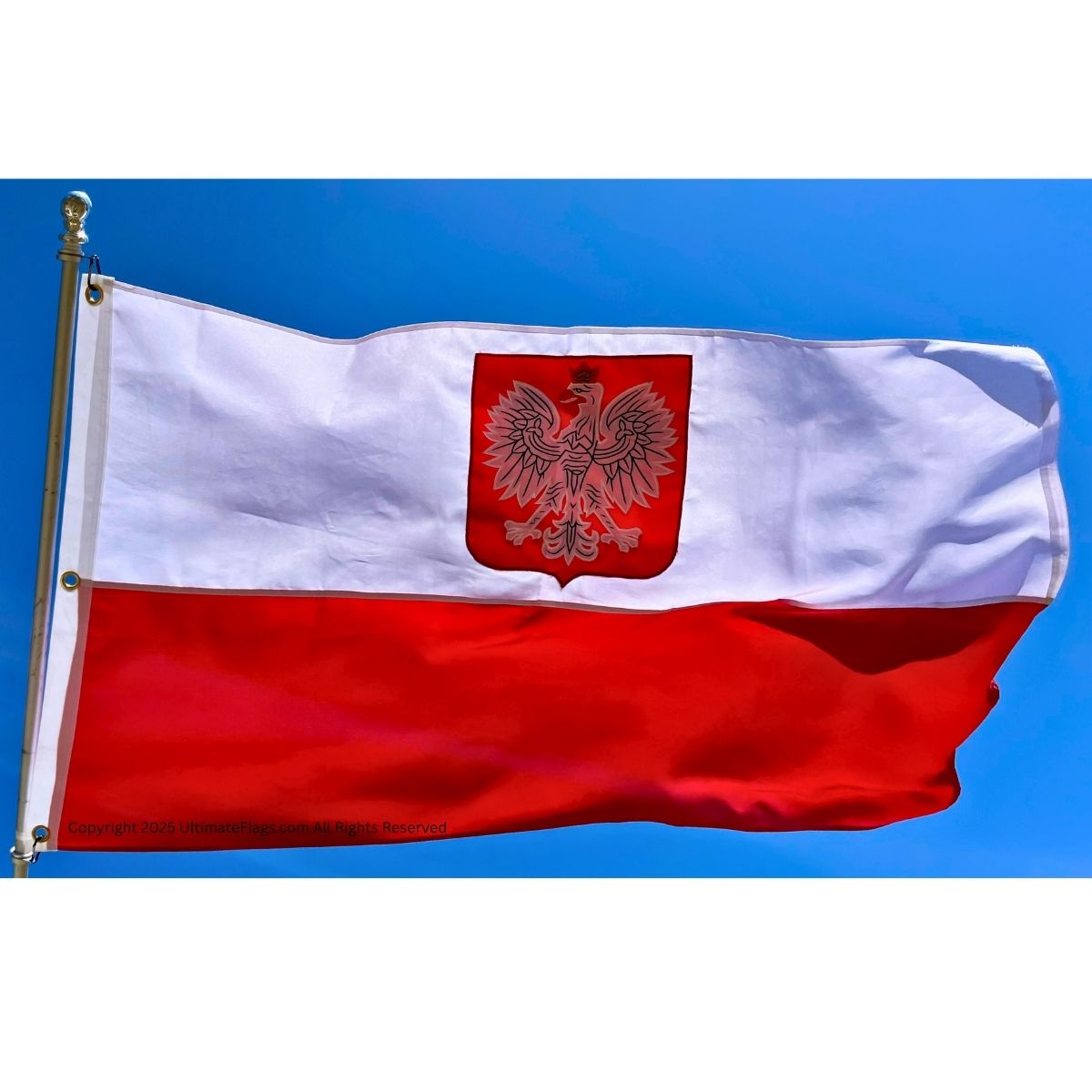
This flag represents the historical state flag of Poland, used primarily for official and ceremonial purposes before and during the Second Polish Republic and under various iterations of Polish governance. It features Poland’s national white-and-red bicolor background, but prominently includes the White Eagle of Poland (Orzeł Biały)—a crowned eagle symbolizing Polish sovereignty, heritage, and military valor.
The crowned eagle dates back to the 13th century, associated with King Przemysł II, and is rooted in the coat of arms of the Piast dynasty. The eagle became a central emblem for Poland’s state identity, especially in periods of occupation and resistance.
This version is a double-sided embroidered reproduction, crafted to military-grade standards for collectors, institutions, and patriots seeking accurate representations of pre-modern Polish state flags.
🧵 Old Poland Flag Specifications:
-
Size: 3 x 5 feet
-
Material: 600D Double-Ply Nylon – military-grade, UV-resistant
-
Design:
-
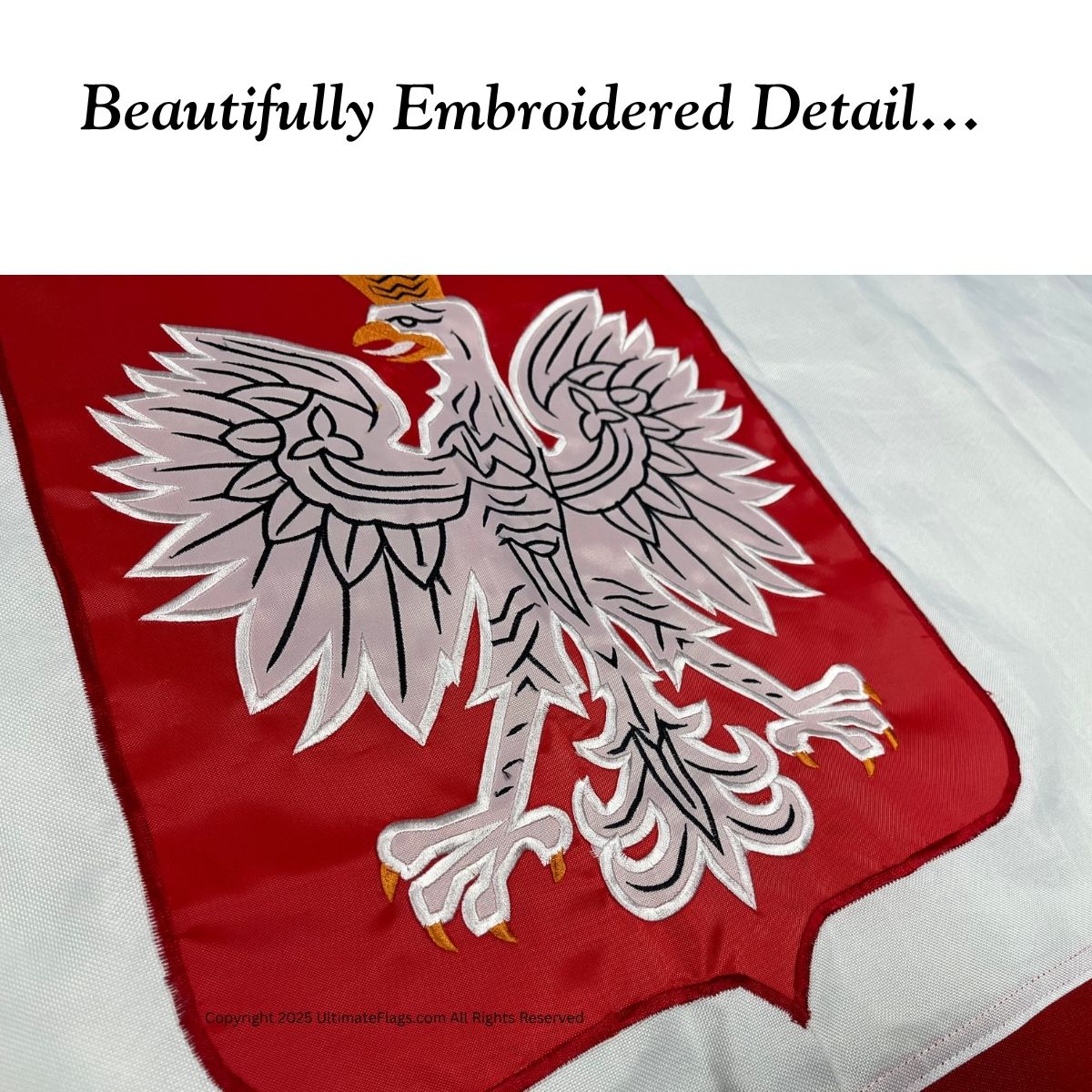
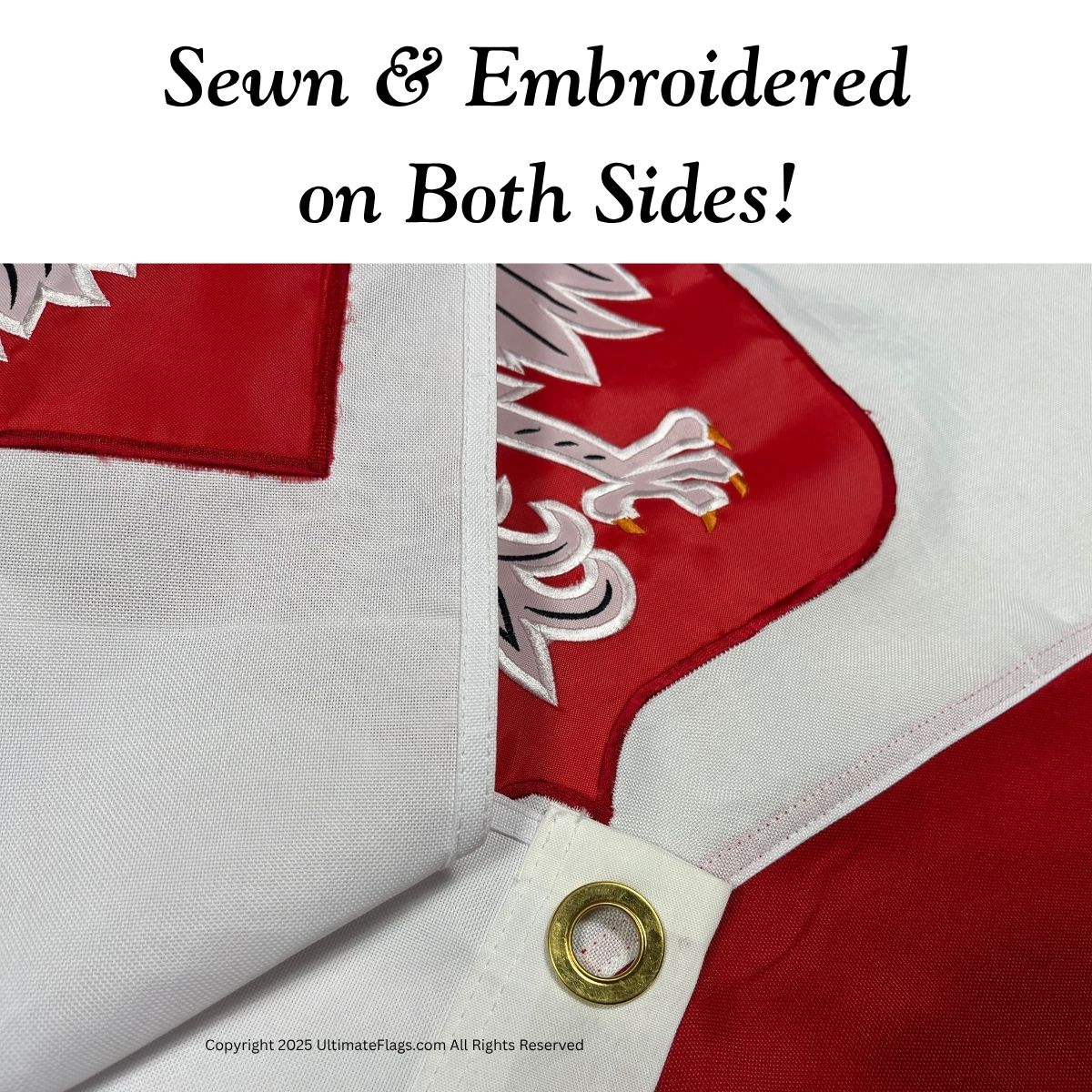
Embroidered White Eagle with crown on front and reverse
-
Polish national colors: white over red field
-
-
Build:
-
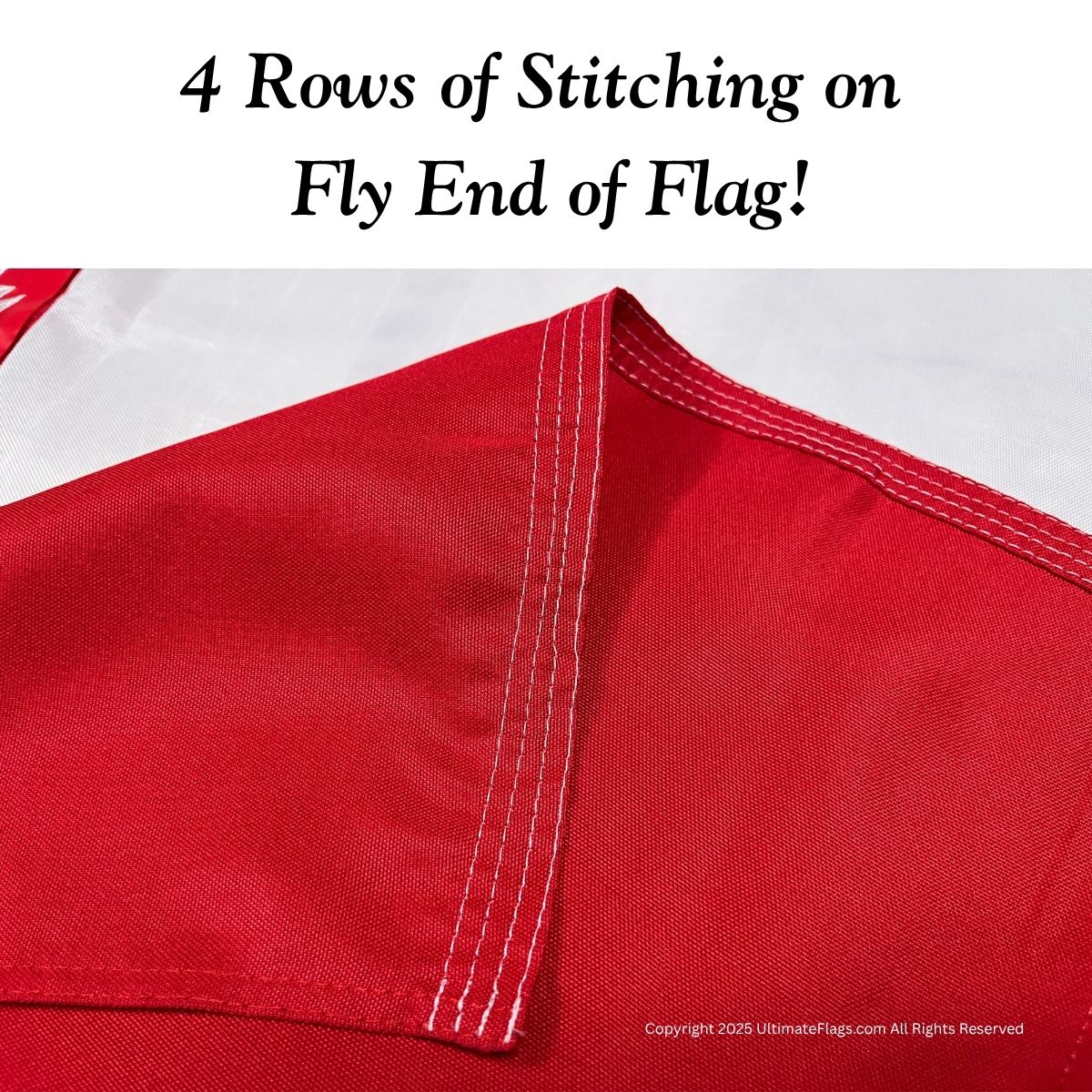
Quad-stitched fly edges and reinforced corners
-
Solid brass grommets and heavy-duty canvas header
-
Weather-resistant and suitable for high-wind environments
-
🧠 People Also Ask About Old Poland Flag:
What is the difference between the Polish flag and the state flag?
The civil flag is plain white over red. The state flag includes the White Eagle emblem, used for government buildings and diplomatic missions.
What does the eagle on the Poland flag represent?
The White Eagle is Poland’s national coat of arms, symbolizing strength, resilience, and independence since the Middle Ages.
Was this eagle flag used in World War II?
Yes—variations of this flag were used by the Polish government-in-exile, resistance movements, and military forces aligned with the Allies during WWII.
📍 Recommended Uses:
-
Polish heritage organizations, embassies, and veterans’ events
-
Historical education, reenactments, and museum displays
-
Indoor honor positions or outdoor permanent installations
-
Memorials, civic ceremonies, or international Polish functions



Reviews
There are no reviews yet